
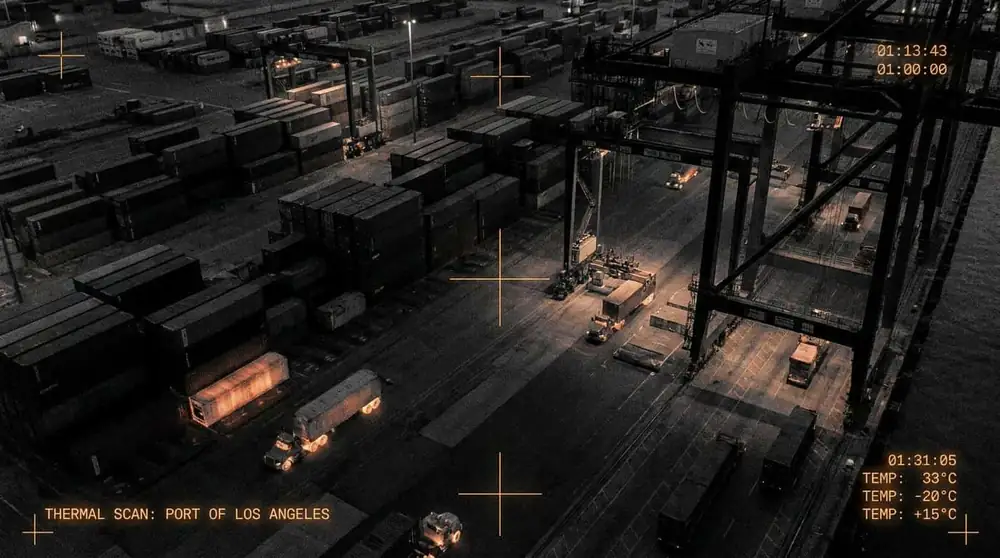
SECTOR_01 / LOGISTICS
Logistics
See where ports, routes, and suppliers could interrupt a transaction or operation.
- Deal teams buying a company
- Enterprise risk and continuity teams
Cybersecurity products and scoped services
SSX360 reviews critical systems and delivers signed evidence that finance, risk, and security teams can check offline.
> 02_SECTORS / WHO_WE_SERVE
SSX360 scopes each engagement around a sector, a decision, and the evidence the buyer needs to review.
SECTOR_01 / LOGISTICS
See where ports, routes, and suppliers could interrupt a transaction or operation.
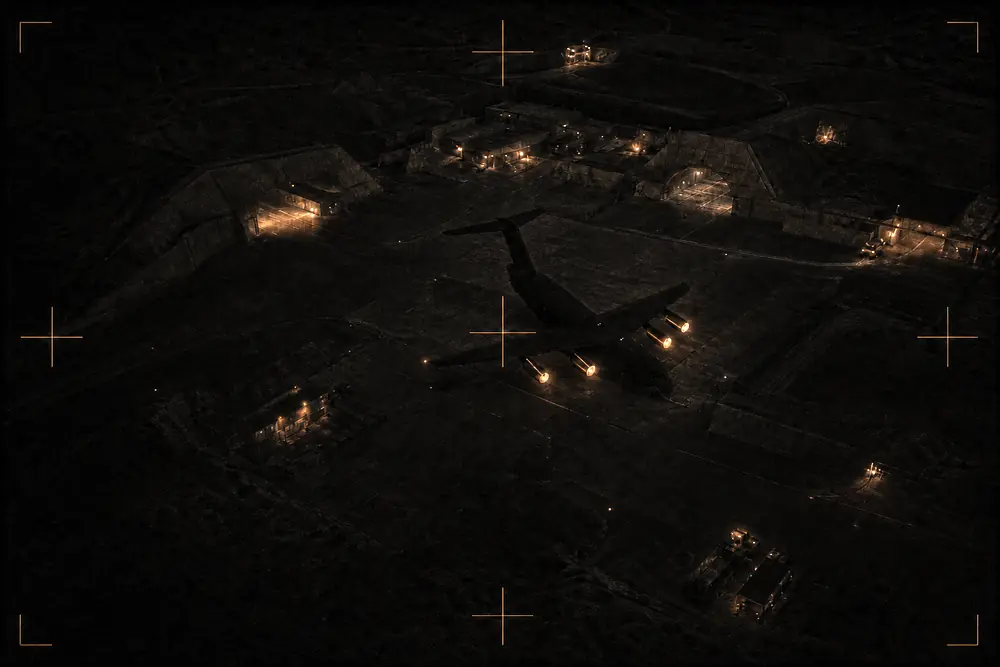
SECTOR_02 / DEFENSE
Get a sourced second view of threats affecting critical systems.

SECTOR_03 / FINANCE
Trace counterparty and system exposure before it reaches the balance sheet.

SECTOR_04 / CLIMATE
Measure weather, water, and energy stress against owned assets.
Services by verification level
L1 records a point-in-time audit. L2 verifies authorization controls over an evidence period. L3 anchors the record in recognized hardware and adds scheduled upkeep.
Review every service →Encryption protects data from being read. SSX360 audits what was approved, specifies controls for what may act, and keeps the evidence verifiable.
SSX Level 1 / SSX-L1.0
What are we buying, approving, or accepting?
A scoped fintech or M&A audit with signed findings, an evidence period, and clear limits.
The report applies to the named system, evidence period, and review scope.
See level scopeSSX Level 2 / SSX-L2.0
How will the system prove who approved an action?
Level 1 plus a verified record showing how authorization controls operated for the named workflow.
Applies to the named workflow, action scope, and evidence period. Model quality and business decisions remain separate review questions.
Criteria MCV-1.0
See level scopeSSX Level 3 / SSX-L3.0
How will the approval record stay verifiable in operation?
Level 2 plus a recognized hardware root of trust, deployment record, scheduled review, and upkeep.
Applies to the hardware root, named workflow, evidence period, and upkeep terms recorded in the engagement.
Criteria MCV-1.0
See level scopeBring the system, deadline, and decision.
We will identify the smallest useful scope and confirm the level, delivery window, and fee on the call. We reply within one business day.
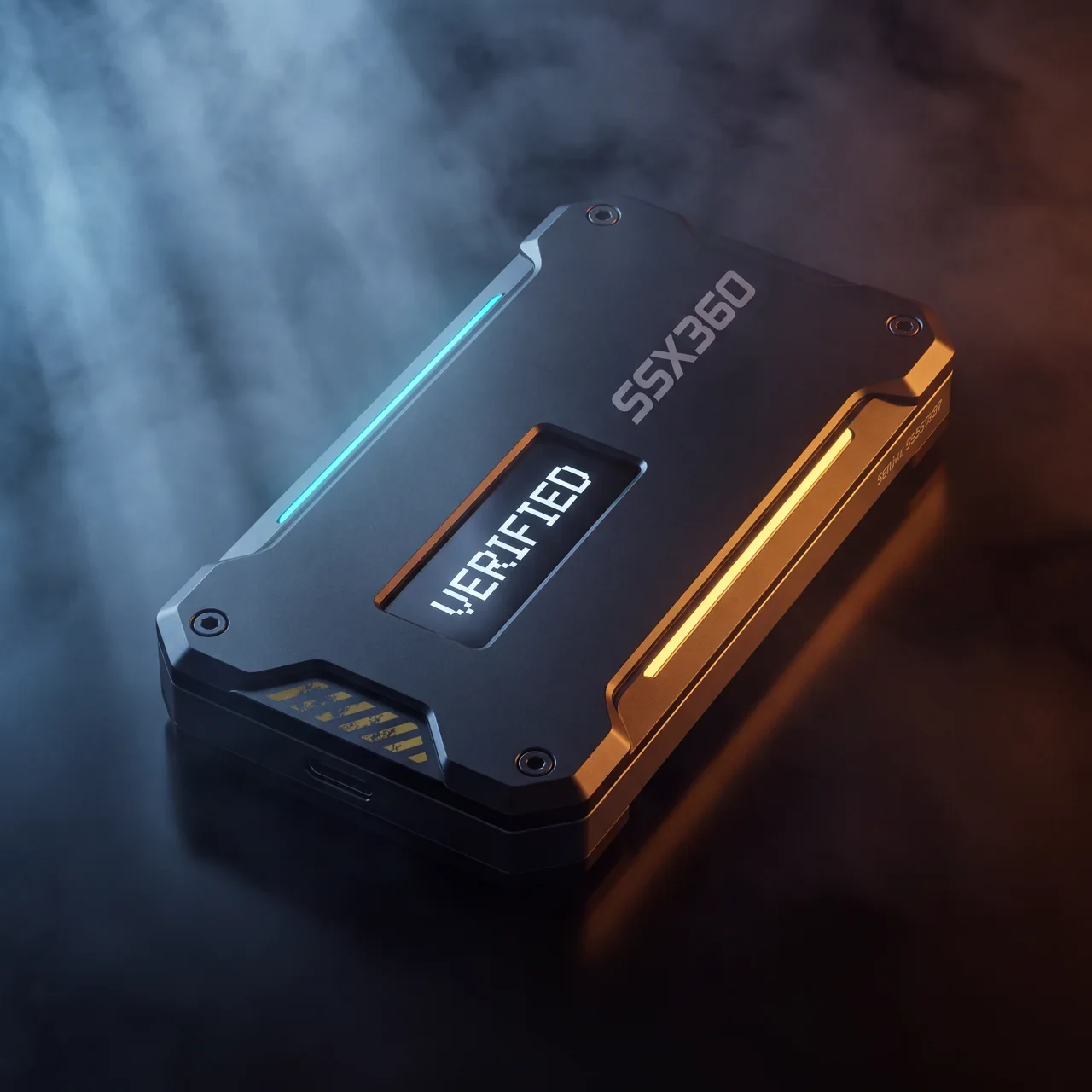
> PRODUCT / USB_SIGNER
Signet-C and Signet-N are completed SSX360 hardware signers available through direct contact. The software console animates status icons. The device display presents the current state only. Product integration and implementation details are shared only during qualified scoping and under applicable confidentiality terms.

FEATURED · RPT_003 · 2026-08-20
Forty-one percent of surveyed enterprises report hiring and onboarding a fraudulent candidate, Gartner projects one in four candidate profiles worldwide will be fake by 2028, and no open standard yet attests that a skill was demonstrated under stated conditions.
[READ_THE_REPORT →]Need a scoped engagement against the same evidence bar? Request a call · Review services
> INTELLIGENCE_LOG
Field notes across logistics, defense, finance and climate, published when there is a finding worth your time. Free to read and receive.